How to Grow Blog Traffic by Picking One Channel First
Nov 10, 2026
Key takeaways
- Pick one traffic channel based on two inputs: current monthly visits and sales cycle length.
- Sites under 1,000 monthly visits should start with distribution, since new pages rarely rank in Google within a year.
- Sites with 1,000 to 10,000 visits should commit to SEO depth with fewer, longer pieces on a sustainable cadence.
- Long sales cycles call for repurposing each article into platform-native posts across multiple networks.
- Commit to one channel for 90 days before judging results or adding a second channel.
To grow blog traffic on a small site, pick one channel first instead of running fifty tactics badly. The right pick depends on two things you already know: your current monthly traffic and how long your sales cycle runs. Below is a decision tree that takes those two inputs and hands you a single channel to commit to, then shows what the first 90 days on it look like.
The whole post in 9 slides
Why most advice on how to grow my blog traffic fails small sites
Search "grow blog traffic" and you get a list of 50 tactics. That list assumes a team: someone to write, someone to post, someone to track what worked. You have one calendar and one to five sites, so you execute three tactics badly and burn out by week six.
The other failure is scale. A tactic that works at 100,000 monthly visitors (refreshing old posts, building a newsletter) does nothing for a site at 2,000 that Google barely crawls. And Google's own guidance on helpful content and on AI-generated content rewards pages written for people by someone who knows the subject, not pages mass-produced to rank. Tactic-chasing tends to produce the second kind.
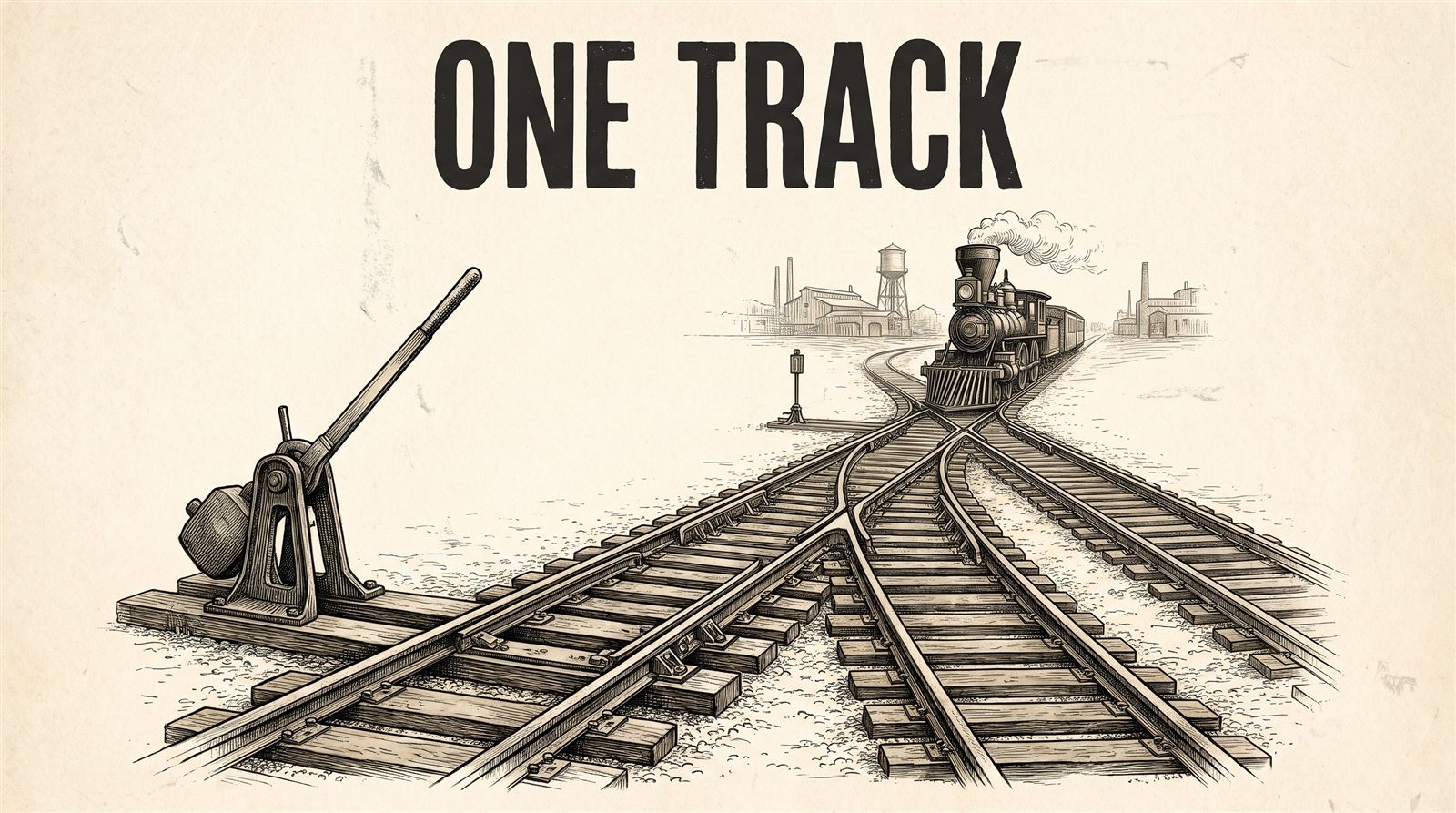
The fix is not more tactics. It is picking one channel, committing to it for 90 days, and ignoring the rest. That is what the decision tree below is for.
The three channels that actually move traffic: SEO, distribution, repurposing
Every tactic list collapses into one of three channels. Pick one, run it for 90 days, then add the next. Here is what each demands from someone publishing alone.
What SEO demands from a solo operator
SEO wants volume and patience: consistent publishing against keywords your site can actually win, then months of waiting while Google decides to trust you. The demand is editorial stamina. If you publish twice a week for six months, you have a shot. If you publish twice and quit, you do not.
What distribution demands
Distribution means showing up where your audience already gathers, daily, in their format. It rewards speed and consistency over polish. The cost is your time: every network is another feed to feed.
What repurposing demands
Repurposing takes work you already did and reshapes it per platform. It is the cheapest of the three, but it only scales if the base article exists, which loops back to SEO or distribution.
| Channel | Time to results | Daily demand | Best fit |
|---|---|---|---|
| SEO | 4 to 8 months | Writing plus keyword work | Sites with some existing trust |
| Distribution | Weeks | Daily posting | Sites with no traffic yet |
| Repurposing | Weeks | Light, once set up | Anyone publishing at all |
NewsMasher exists because we kept hitting the distribution wall ourselves: keeping eight networks fed daily was the bottleneck, not the writing. What shipped each week lives on the NewsMasher changelog.
The decision tree: which single channel to commit to first
Pick one channel based on two inputs: your current traffic and how long it takes a reader to become a customer. Everything else is noise.
Under 1,000 monthly visits: the distribution-first case
At this level, SEO is a waiting room. New pages on low-authority domains take months to rank. When Ahrefs tracked 2 million new English pages, only about 6% reached Google's top 10 within a year, and the average page ranking first was five years old (how long it takes to rank). You cannot pay that bill with zero traffic.
Go where readers already gather: subreddits, Facebook groups, vertical forums. Post daily, answer questions, link sparingly. Distribution buys you readers this week while your domain earns the right to rank later.
1,000 to 10,000 visits: commit to SEO depth
Once you have a baseline audience, the math flips. You have enough traffic to test headlines and learn what your vertical actually searches for. Publish fewer, longer pieces built on real questions from your comment sections and community threads.
This is also where a daily news pipeline earns its keep: covering trending stories in your niche on a schedule keeps the site alive between pillar pieces, and holding every piece for approval keeps the voice yours. NewsMasher is built for exactly this: it checks your Keyword Feeds every day and reads the original reporting before it writes, so you are not two days late to the story.
Long sales cycles: repurpose before you expand
If readers take weeks or months to buy, one article per decision is not enough. Repurpose each piece into LinkedIn posts, X threads, and newsletter snippets so a single idea reaches the same skeptic five times before they commit.
How to grow blog traffic with SEO when you publish alone
A sustainable solo SEO workflow is two decisions made once: which keywords you can win, and how often you can publish without burning out. Everything else is execution.
Picking keywords you can actually win
Skip anything a major publisher already owns. You want long-tail questions in your vertical that big sites ignore because the volume looks small. Check who currently holds the top spots: if they are forums or thin pages on unrelated domains, you can compete. If they are national news brands, move on.
A Keyword Feed in NewsMasher can surface trending stories in your subject area, so you are writing about what people are searching this week rather than guessing. That matters because being two days late to the story costs you the click.
Publishing cadence you can hold for six months
One solid post a week beats five rushed ones in month one, then silence. Pick a schedule you can keep on your worst week, not your best. Tools can help you never run out of something worth posting, but review every piece before it goes live; accuracy in a technical niche is on you. We cover where automated publishing fits, and where it falls short, later in this article.
Distribution: posting where the audience already is
If your site is new, waiting for Google to trust you is slow. Posting where readers already gather is faster, and news-driven posts give you a reason to show up daily.
The two-days-late problem and how to beat the clock
Trending stories have a shelf life measured in hours. Pew Research Center finds that a large share of US adults get news from social platforms, so the audience sees the story where it breaks, not on your homepage (News Platform Fact Sheet). To beat the clock, pick a posting window and check your Keyword Feed before it, so you publish the same day instead of two days late.
Never running out of something worth posting
The second failure point is the blank calendar. A subject-based feed solves it: give the tool your topics, let it read the full original reporting, and draft in your voice. NewsMasher does this and posts to eight networks; you can hold every piece for approval or let it run. If you want a broader SEO platform instead, here is how NewsMasher compares with Autoblogging.ai.

Repurposing: one article, eight networks
Repurposing means taking a post you already published and cutting it into platform-native pieces: a LinkedIn post from the opening argument, a thread from the numbered list, an image quote from the pull line. You are not reposting the URL eight times. You are writing each version the way that platform's regulars write.
The workflow: pick your best post, extract three to five distinct points, then draft one version per network in a batch. A long article yields maybe a week of social posts, not a hundred.
The honest catch: manual repurposing costs 30 to 60 minutes per article, and doing it for every post on every network is where most people quit by week three. That is the gap automated publishing tools try to close, which is the next section.
Where automated publishing tools fit, honestly
What the writing-first tools leave to you
Most tools in this space are built around the draft. Article Forge (how it compares) and Byword (how it compares) generate articles from a keyword or a title. Autoblogging.ai goes further than most: it has a News Mode that pulls from Google News, and it can publish to WordPress and several other platforms. What you usually still do by hand is pick which stories are worth covering, check the draft against the original reporting, and turn each piece into social posts. Pricing for each is on their own pricing pages, so check current rates before committing.
The other gap is the clock. Most writing tools produce an article when you prompt them. If you find the trend yourself two days late, the article is late too.
Running NewsMasher through the same criteria: where it falls short too
NewsMasher covers the full loop: it reads the whole story before it writes a word, publishes in your voice from your Writing Profile, and turns each piece into posts for eight networks. You can hold every piece for approval or let it run. Where it falls short: it works from trending news, so evergreen keyword-driven articles are not its strength, and niche accuracy still deserves a human skim before publish.

Your first 90 days, whichever channel you picked
Weeks 1 to 2: set up the machine. That means your Keyword Feed or tracking list, your Writing Profile with tone notes and banned phrases, and one calendar slot a day you will actually keep.
Weeks 3 to 8: ship on the schedule without judging results. If you picked distribution, post daily where the audience already is. If you picked repurposing, turn every article into posts for each network you use. If you picked SEO, publish on cadence and touch nothing.
Weeks 9 to 12: look at the data once. Which pieces earned clicks, replies, or shares? Double down on those subjects, cut the rest, and adjust the schedule to match what you learned.
The mistake to avoid: switching channels at week six because week three felt slow. One quarter, one channel, measured honestly. Then decide whether to commit deeper or add the second channel on top.
FAQ
How long does it take to grow blog traffic from zero?
Distribution channels can bring first readers within weeks, since you are posting where an audience already exists. SEO from a standing start runs 4 to 8 months before rankings show up, because new pages on low-authority domains rarely rank quickly. Plan on a 90-day commitment to one channel before judging anything.
Should I focus on SEO or social media first for a new blog?
If your site is under 1,000 monthly visits, start with distribution: post daily in subreddits, groups, and forums where your readers already gather. SEO at that stage is a waiting room, since Google needs months to trust a new domain. Add SEO once you have a baseline audience to learn from.
How often should I publish to grow blog traffic as a solo blogger?
Pick a schedule you can hold on your worst week, not your best. One solid post a week for six months beats five rushed posts in month one followed by silence. For distribution, the demand is daily posting, but those are short-form pieces, not full articles, so the writing load stays manageable.
Can AI-written news content rank on Google without hurting my site?
Google's guidance rewards helpful content regardless of how it was produced, so quality control matters more than the tool. The risk is publishing inaccurate drafts unreviewed, especially in technical niches. Hold every piece for approval, skim for accuracy, and make sure the voice and framing are yours before anything goes live.
How do I grow traffic to multiple niche sites without hiring writers?
Run one channel per site rather than fifty tactics across all of them. A news-driven pipeline covering trending stories in each niche keeps sites alive between pillar pieces, and automation can feed multiple networks daily while you hold approval on every piece. Set up the machine once, then ship on schedule without switching channels mid-quarter.
Join GeekOutFridays Mastermind Club with this Special $7 Trial Offer.
Stay connected with news and updates!
Join our mailing list to receive the latest news and updates from our team.
Don't worry, your information will not be shared.
We hate SPAM. We will never sell your information, for any reason.