Say This, Not That: The Words That Change a Sale
Nov 04, 2026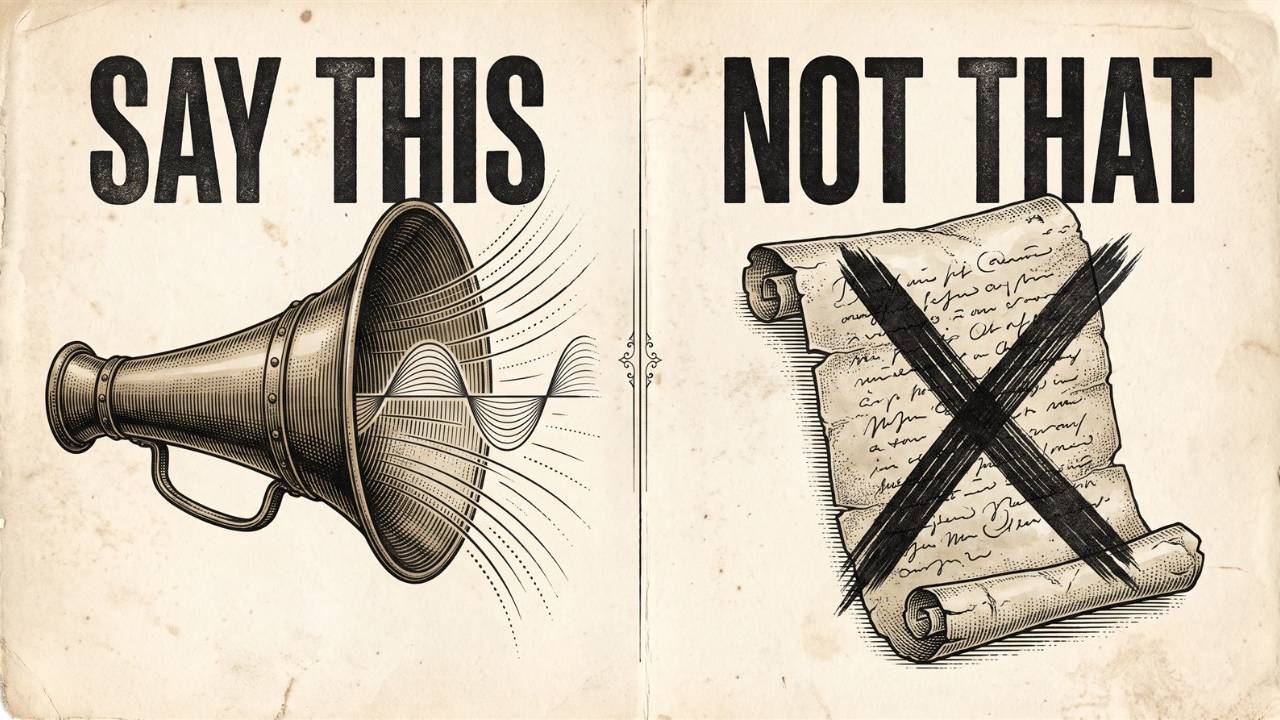
Dan Martell put out a short video with one point: the words you use matter, especially when you're asking someone to buy. He gave a list of swaps. None of them change what you sell. They change how it sounds to the person deciding.
I'm Damon Nelson. I've written sales pages for more than 30 years, and I've watched single words move results. Here's Martell's list, the research behind one of his swaps, and the line I'd draw so it stays honest.
Martell's list
- Don't say "$1,000." Say "$999." His reason: it seems cheaper.
- Don't say "buy now." Say "there's only three left."
- Never say "basic." Say "essential."
- Never say "standard." Say "customized."
- Don't say "few." Say "limited."
- Never say "cost." Say "investment."
Those dollar amounts are his example, not a price for anything we sell.
Why $999 feels smaller: the left-digit effect
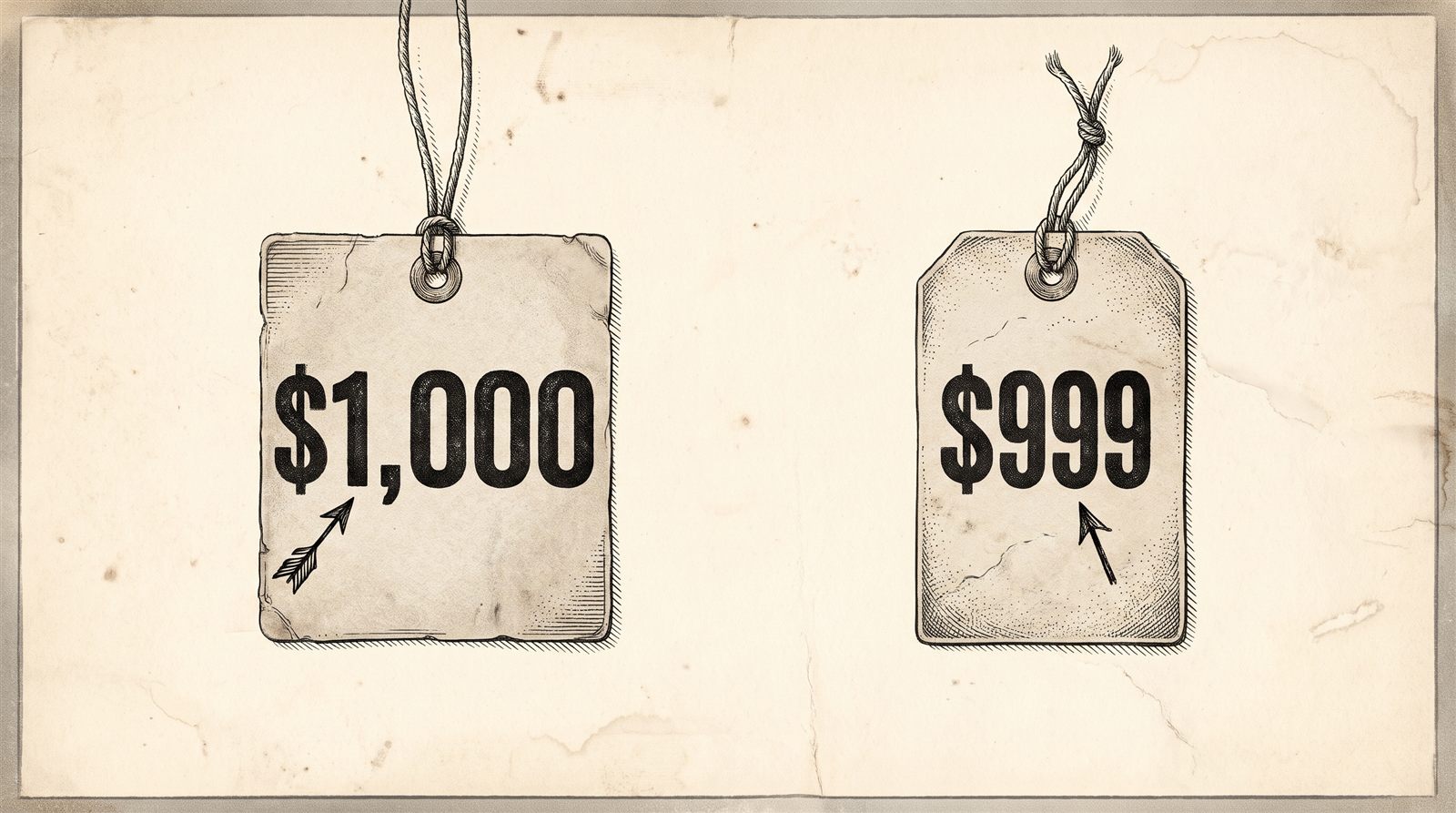
The first swap has real research behind it. In 2005, Manoj Thomas and Vicki Morwitz published "Penny Wise and Pound Foolish" in the Journal of Consumer Research. Across five experiments, they found that a price ending in nine feels smaller than one a cent higher, but only when the leftmost digit changes. $2.99 against $3.00 shifts how big the number feels. $3.59 against $3.60 doesn't.
Their explanation is that we read numbers left to right and anchor on the first digit. They also found the effect is stronger when the prices being compared are close together, and that it shows up with numbers other than prices.
So "$999" works for a specific reason. The first digit you read changes, and the number goes from four digits to three. It isn't magic, and it won't help if the left digit stays the same.
Where the line is
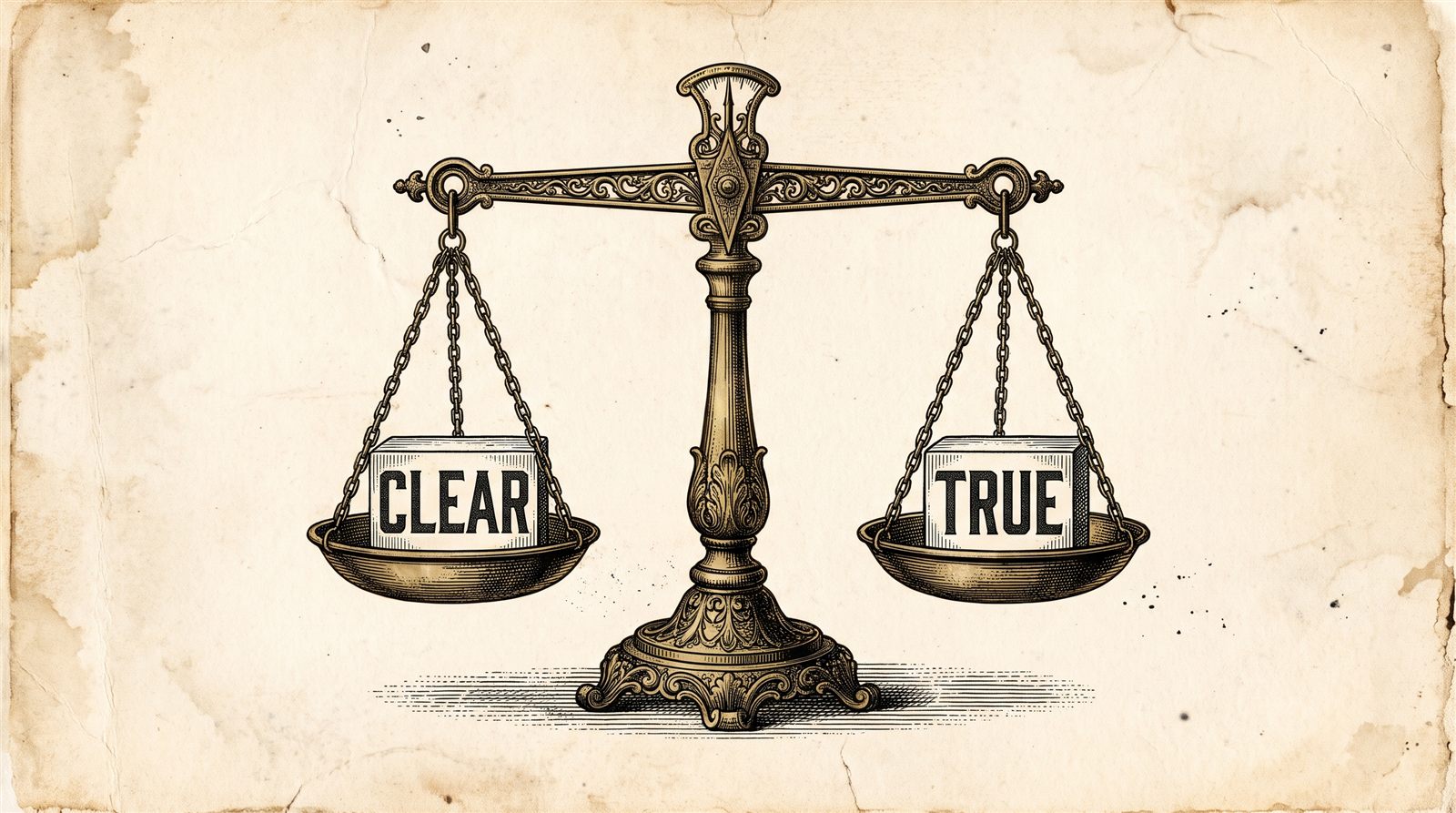
Some of these swaps carry a risk. "There's only three left" is a strong line, and it only belongs on your page when it's true. Fake scarcity is the fastest way to lose a buyer's trust, and in many places it can get you in trouble with consumer protection rules.
The same goes for "customized." If the product is the same for everyone, calling it customized isn't a better word. It's a wrong one.
PICK THE CLEARER WORD. NEVER THE FALSE ONE.
How to use it this week
Read your sales page out loud. Circle every flat or weak word. For each one, ask two questions: is there a clearer word, and is that word still true? Swap only the ones that pass both. Then test the new page against the old one and let the results decide.
Build it with us
At GeekOutFridays we spend 30 minutes on strategy like this and 60 minutes building one system with it. The mastermind meets live every other Friday.
Join the GeekOutFridays mastermind group. Sign up here.
Sources
Join GeekOutFridays Mastermind Club with this Special $7 Trial Offer.
Stay connected with news and updates!
Join our mailing list to receive the latest news and updates from our team.
Don't worry, your information will not be shared.
We hate SPAM. We will never sell your information, for any reason.