The Ad That Bragged It Took Two Hours to Write
Oct 30, 2026In 1973, newspapers across North America started running a long ad with a strange boast in it. As Time quoted it: "I used to work hard . . . but I didn't start making big money until I did less." Then the boast: "this ad took about two hours to write."
The ad sold a book called The Lazy Man's Way to Riches. The man who wrote both was Joe Karbo.
I'm Damon Nelson. I've been a marketer and developer for more than 30 years, and Karbo's ad is one I keep coming back to. Part of it is a clean lesson in direct response. Part of it is a warning. Here's the full story, both halves.
He tested the ad before he wrote the book
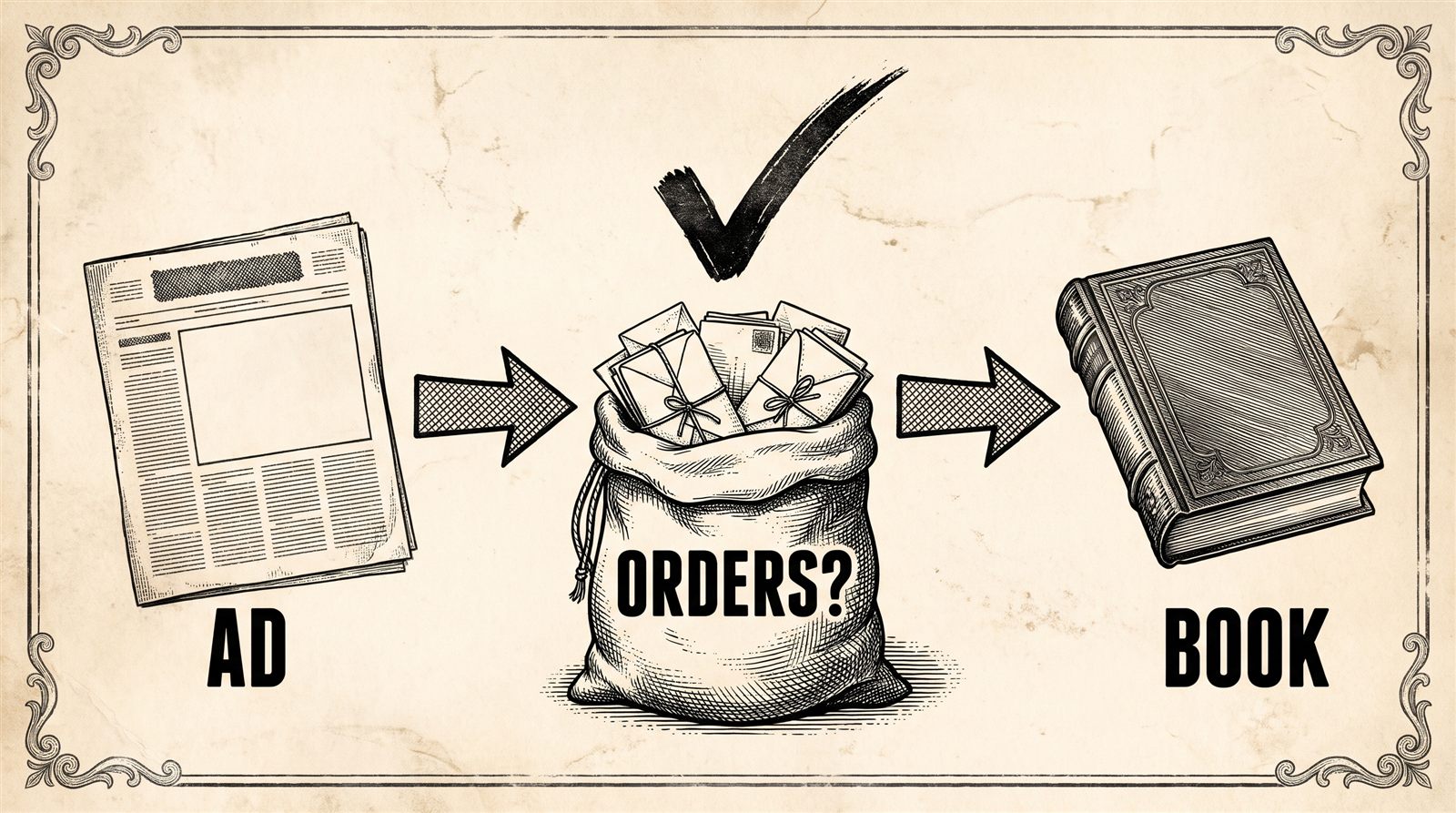
Time profiled Karbo in October 1973. It said he had started a direct-mail business in 1962, selling books on health, sex, betting on horses and getting out of debt. Before he wrote Lazy, he ran test ads for it.
Read that twice. He checked whether people wanted the book before the book existed.
TEST THE OFFER FIRST. BUILD THE PRODUCT SECOND.
A guarantee that kept the money in the buyer's hands
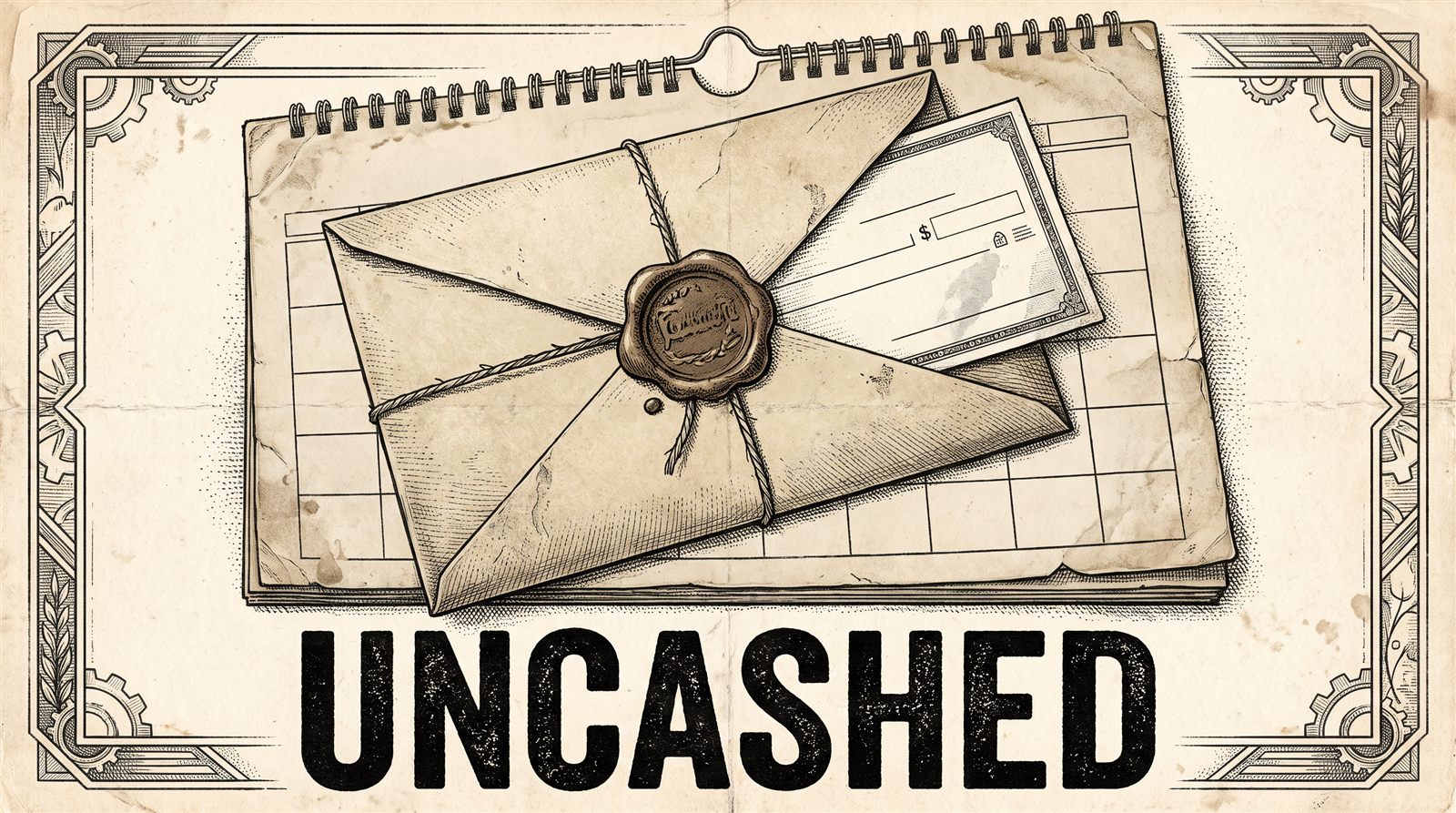
The offer was different too. Instead of the usual money-back guarantee, Karbo promised to hold the buyer's check or money order uncashed for one month. If you didn't like the book, your money had never left.
According to Time, only 10% of buyers returned the book. And it sold 139,000 copies in six months. Time called Karbo "the prototype for his book."
The book never sat on a bookstore shelf. It was sold by mail. One ad, running in papers everywhere, did the work of a sales force.
How big did it get?
A 1987 paper on the rhetoric of get-rich-quick schemes, filed in the ERIC education database, reported that the book had sold over three million copies worldwide, all by mail. That number came from the president of Karbo's own firm, so treat it as the publisher's claim. The same paper says Karbo died in 1980 and that his company was still running the ads years later.
A piece in The Walrus also put the total at nearly 3 million copies. That's still the claim, repeated.
The half of the review he didn't quote
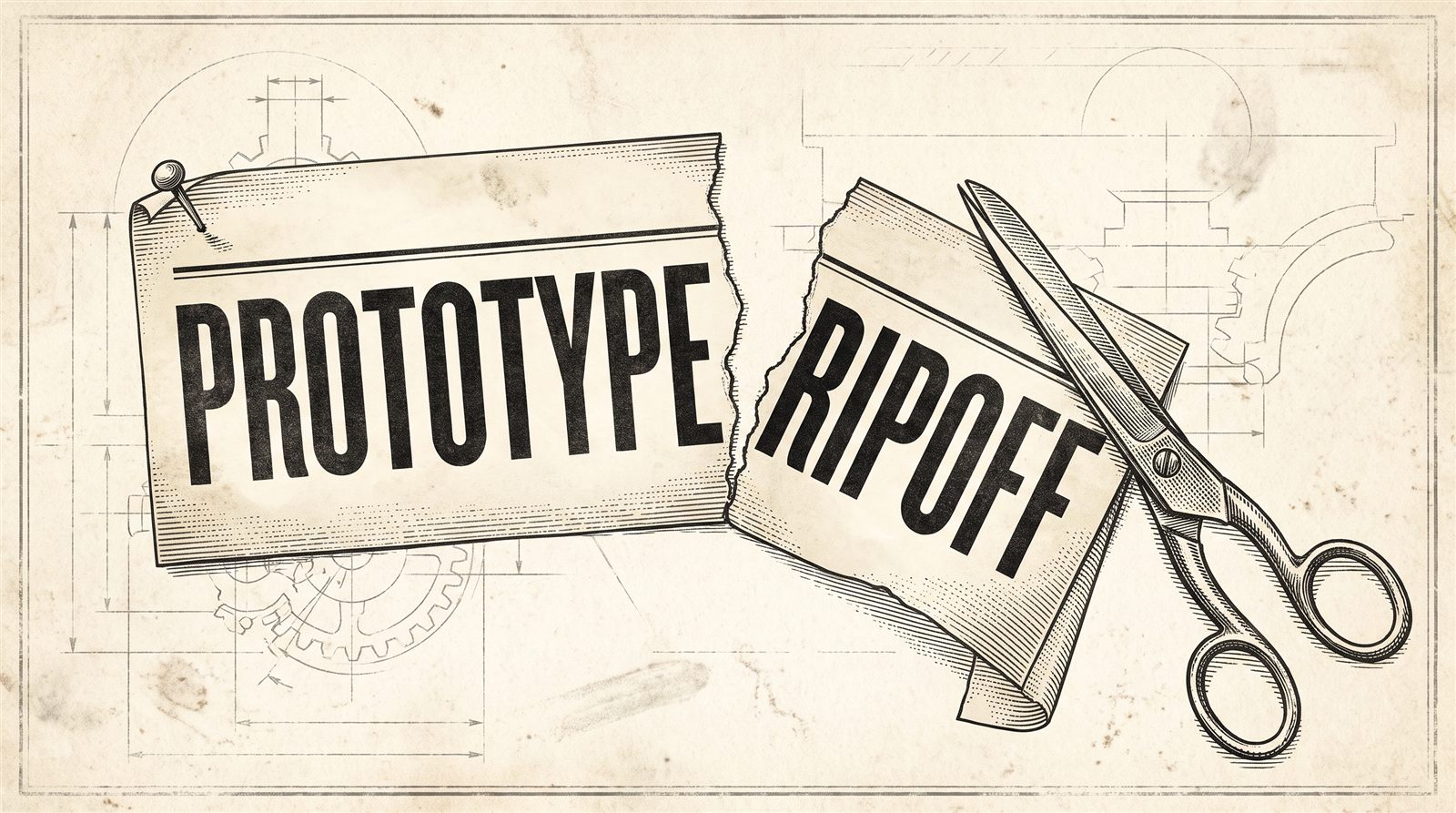
Here's the twist. Karbo's ads quoted Time, calling him "the prototype" for his book. They left out the line right next to it. Time had written that the book was "part ripoff, part a paean to the potential of positive thinking."
The ERIC paper pointed that out. It also found that the moves Karbo used became a pattern across the get-rich-quick industry: claims of how easy the plan is, testimonials and quotes from the press, attacks on competing plans, and a limited-time offer. It noted that these pitches rarely say what you actually get for the money.
Time also reported that the book itself was vague on what a reader should sell. It told readers to figure out what they were best at and build a product or service around it.
So Karbo's story is two lessons in one ad. The testing and the risk-free offer were smart. The hype and the selective quoting are why the whole category got a bad name.
Keep the method. Skip the hype.
How to use it: Before you build your next product, write the ad first. Run it small and see if anyone bites. Then look at your guarantee. Can you make it easier for a buyer to say yes, the way holding a check uncashed did? And when you quote a review or a press mention, quote the whole thing honestly. If you have to hide half of it, it isn't helping you.
Build it with us
At GeekOutFridays we spend 30 minutes on strategy like this and 60 minutes building one system with it. The mastermind meets live every other Friday.
Join the GeekOutFridays mastermind group. Sign up here.
Sources
Join GeekOutFridays Mastermind Club with this Special $7 Trial Offer.
Stay connected with news and updates!
Join our mailing list to receive the latest news and updates from our team.
Don't worry, your information will not be shared.
We hate SPAM. We will never sell your information, for any reason.