Three Ways to Grow a Business, and Why Most Owners Use One
Nov 08, 2026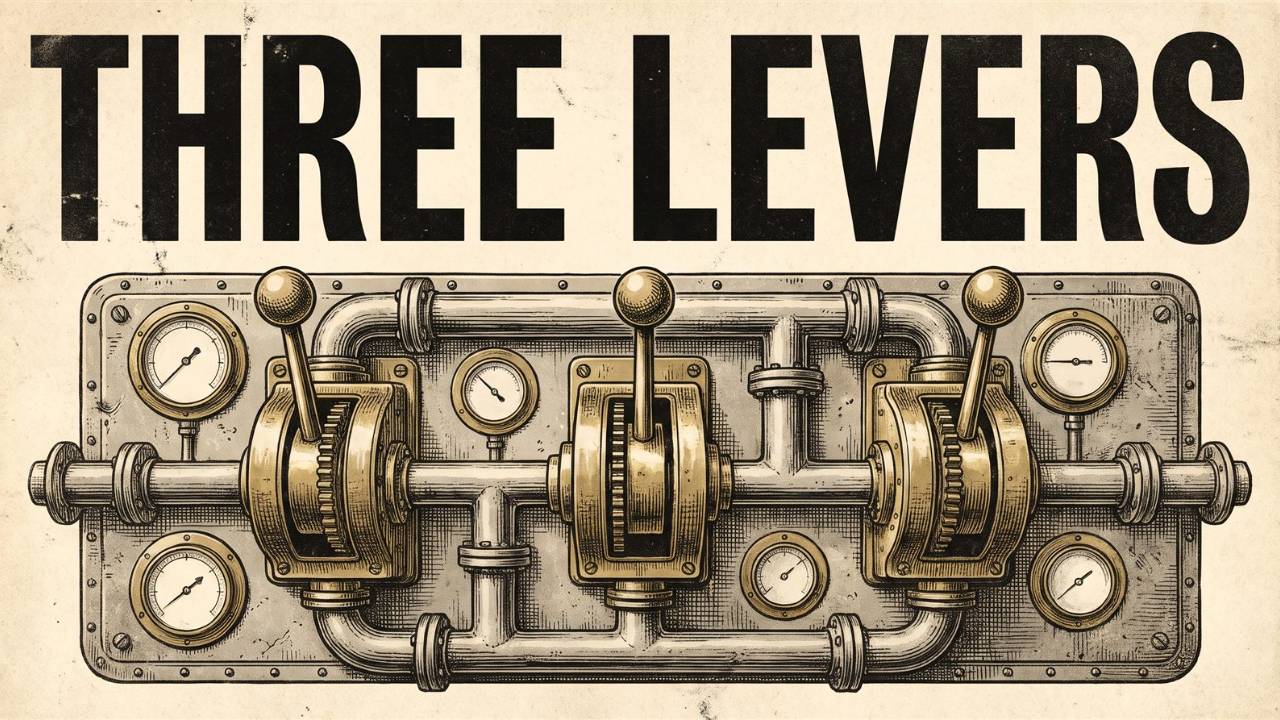
Ask a business owner how they plan to grow, and you'll usually hear one answer: get more customers. More ads, more leads, more traffic.
Jay Abraham has spent decades teaching that this is only one of three levers, and usually the most expensive one to pull. I'm Damon Nelson, and I've been a marketer and developer for more than 30 years. This model changed how I look at every offer I build. Here's the story behind it.
Who Jay Abraham is
Abraham came up in direct-response marketing in the 1970s. A 1977 Chicago Tribune piece on the mail-order business covered his work. He went on to found the Abraham Group, a consulting firm, and in 2000 Forbes listed him among the top five executive coaches in the U.S.
That same year he published Getting Everything You Can Out of All You've Got: 21 Ways You Can Out-Think, Out-Perform, and Out-Earn the Competition. The three-ways model is the idea he is best known for.
The three levers
In Abraham's model, a business can only grow in three ways:
- More customers. Reach people who have never bought from you.
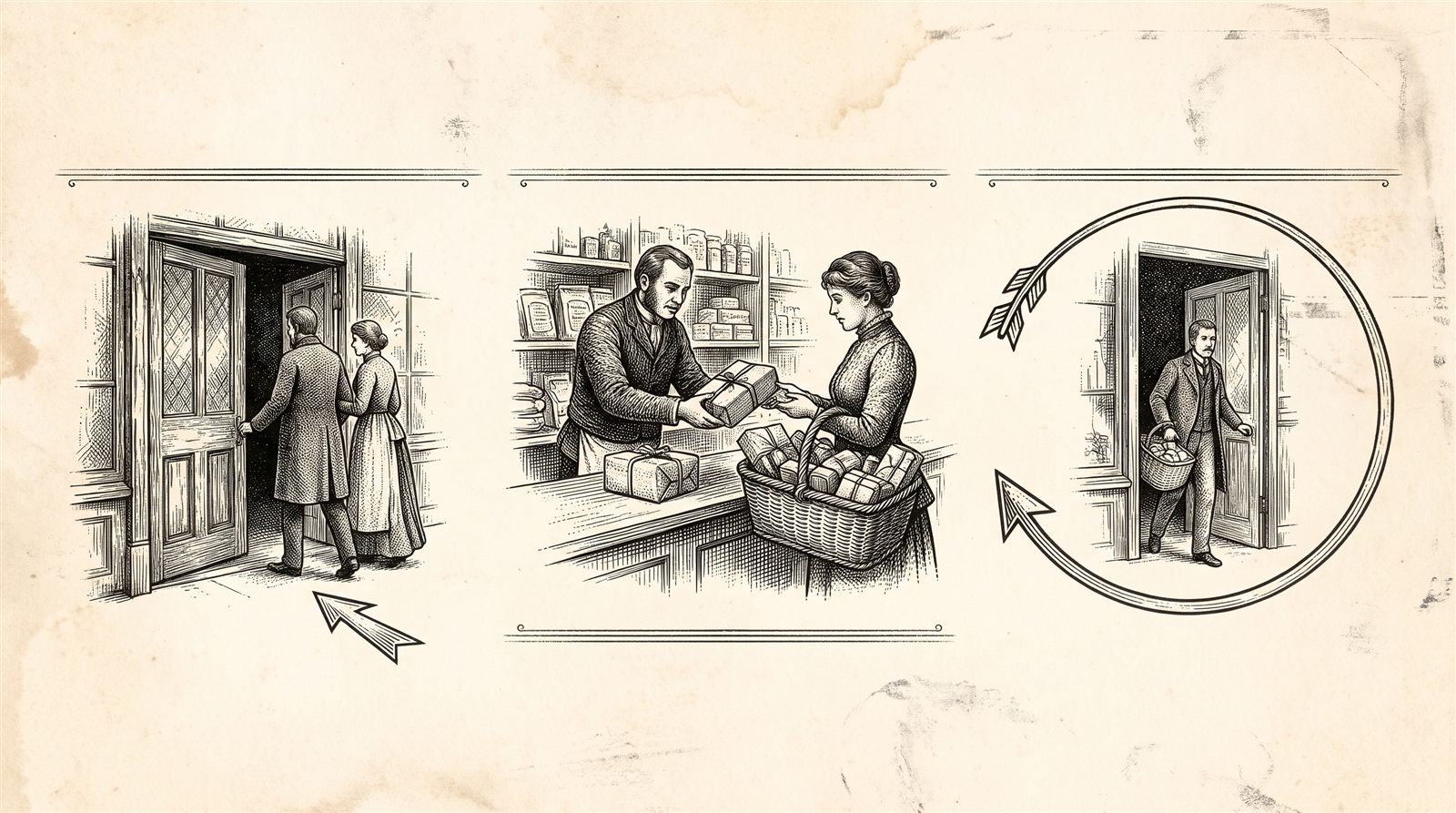
- A bigger sale. Raise what each buyer spends through upgrades, bundles and add-ons, at the moment they already said yes.
- More repeat purchases. Follow up, make a relevant next offer, and make coming back easy.
Most owners pour nearly all their energy into the first lever. The other two sit still, even though the people they apply to already know and trust you.
Why the levers multiply

Here's the part that makes the model worth remembering. Revenue is customers times average sale times how often they buy. Because the levers multiply, small lifts compound.
Raise each one by 10 percent: 1.1 × 1.1 × 1.1 = 1.331. That's about 33 percent more revenue. If the gains simply added up, you'd get 30. The extra comes from the multiplying.
THREE SMALL LIFTS BEAT ONE BIG PUSH.
That's simple math, not a promise. Your real numbers depend on your business. But the logic holds: a 10 percent gain on a lever you've ignored is often easier to find than a 33 percent jump in new customers.
The story behind the story
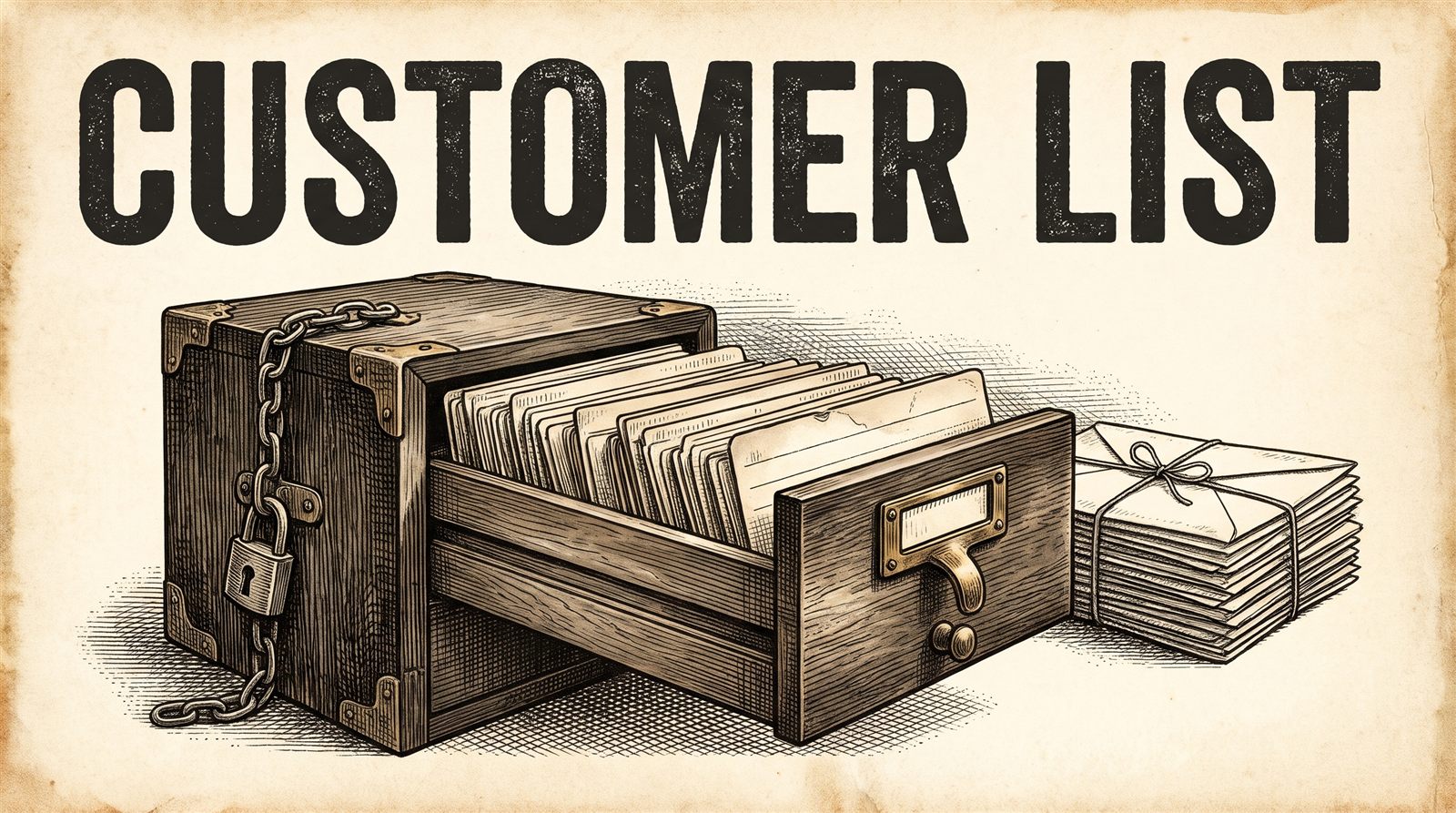
The idea is older than any one book. Mail-order sellers, the world Abraham came from, lived on the second and third levers. The first sale often barely paid for the ad. The money came from the next offer to the same buyer. That's why mail-order firms guarded their customer lists so carefully.
Abraham's contribution was naming the levers plainly enough that any owner could check their own business against them.
How to use it this week
Write the three levers on a page. Next to each one, write what you do now to pull it. If one line is blank, that's your project. For a bigger sale, add one relevant upgrade at checkout. For repeat buys, set up one follow-up message that goes out after every purchase. You don't need a bigger ad budget to start on either one.
Build it with us
At GeekOutFridays we spend 30 minutes on strategy like this and 60 minutes building one system with it. The mastermind meets live every other Friday.
Join the GeekOutFridays mastermind group. Sign up here.
Sources
- Jay Abraham, Getting Everything You Can Out of All You've Got (Truman Talley Books, 2000).
- Wikipedia, "Jay Abraham" (cites Chicago Tribune, Oct. 23, 1977, and Forbes, March 6, 2000)
Join GeekOutFridays Mastermind Club with this Special $7 Trial Offer.
Stay connected with news and updates!
Join our mailing list to receive the latest news and updates from our team.
Don't worry, your information will not be shared.
We hate SPAM. We will never sell your information, for any reason.